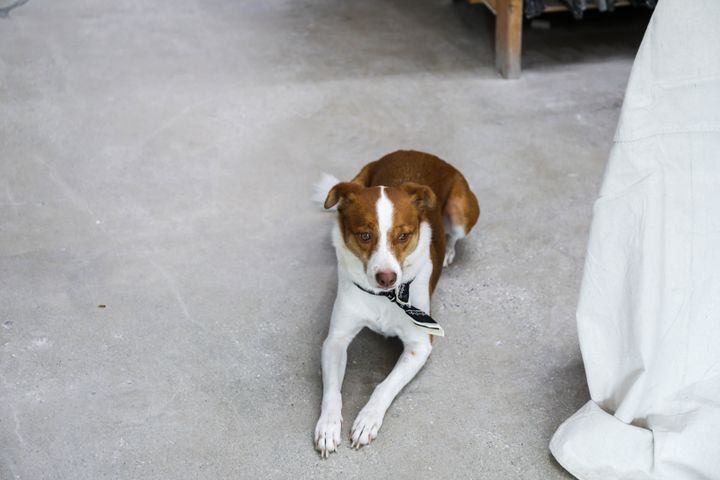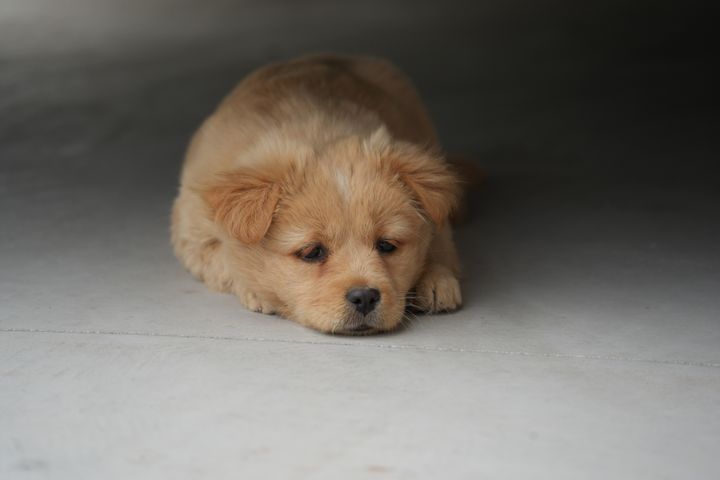
You put the bowl down, and your dog sniffs it, looks at you and walks away. One missed meal is common and usually harmless. But a poor appetite is also one of the earliest signs of illness, so it helps to know when to wait and when to act.
Call a vet the same day if
- an adult dog has eaten nothing for more than 24 hours
- a puppy has missed more than one meal
- not eating comes with vomiting, diarrhoea, weakness or fever
- the belly looks swollen and your dog is retching without bringing anything up. In large, deep-chested dogs this can be bloat, which is an emergency
- the gums look pale or yellow, or the urine is dark
- your dog is not drinking either
Common reasons
Tick fever
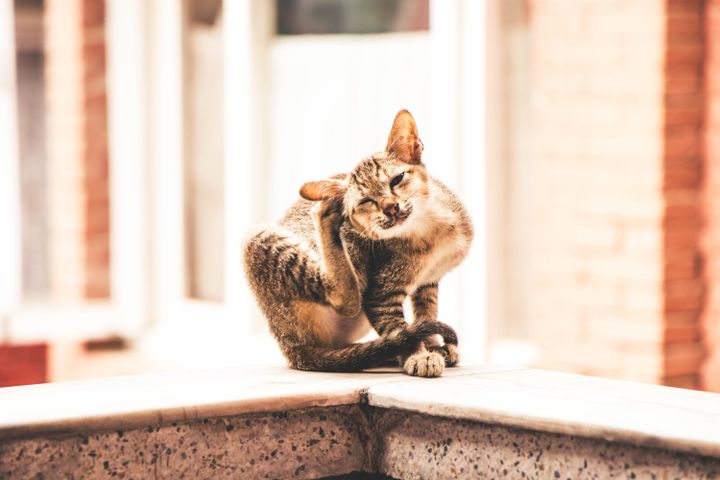
In Assam, this is one of the first things a vet considers. Babesia and Ehrlichia, the blood parasites spread by ticks, often begin with nothing more than a quiet dog that is off its food. Check the gums and look for ticks. Early signs of tick fever.
A stomach upset
Something eaten on a walk, a rich treat or spoiled food can put a dog off its meals for a day. Worms can do the same, especially in dogs that are not dewormed regularly.
A painful mouth
Dental disease is the condition vets diagnose most often in dogs. A UK study of more than 22,000 dogs under veterinary care found it in about one in eight. A broken tooth, inflamed gums or a mouth ulcer make chewing painful. Watch for drooling, bad breath, chewing on one side or dropping food.
Heat
In humid summer weather many dogs eat less. Feed in the cooler morning and evening, and keep fresh water available all day.
Stress and change
A move, a new person or pet in the house, a thunderstorm or festival firecrackers can put a dog off its food for a day or two.
A new food
Some dogs refuse a new food outright. Change food gradually over five to seven days, mixing in a little more of the new food each day.
Too many treats
A dog full of biscuits and table scraps will not be hungry for its own food. A common rule of thumb is to keep treats to no more than a tenth of a dog's daily food.
What to do at home
- Check the gums. Pink is normal; pale, white or yellow needs a vet.
- Look over the skin, the ears and between the toes for ticks.
- Offer fresh water, and a small portion of the usual food at the usual time. Do not force-feed.
- Do not give human medicines. Painkillers such as paracetamol and ibuprofen can poison dogs.
- Note when your dog last ate, drank, passed urine and passed stool. A vet will ask.
If your dog is eating again within a day and is otherwise bright, keep an eye on it. If not, or if any of the warning signs appear, see a vet.
Sources
General information, not a diagnosis. If your pet seems unwell, contact a vet.