From June to September, Assam's rains bring humidity, mud and standing water almost everywhere. Ticks thrive, wet coats take hours to dry and floodwater carries bacteria. Most monsoon illnesses in dogs respond well to treatment, as long as they are caught early.
Tick fever
Ticks multiply in warm, humid weather and pass blood parasites to dogs when they feed. In a study at the veterinary college clinic in Khanapara, Guwahati, more than half of the dogs tested for blood parasites were positive, most often for Babesia gibsoni.
Watch for tiredness, a poor appetite, fever and pale gums, and later nosebleeds or dark urine.
Prevention: use a tick preventive your vet recommends, without gaps through the season, and check your dog for ticks after every walk. More on tick fever.
Leptospirosis
Leptospira bacteria live in the urine of infected animals, especially rats, and survive in water and wet soil. Dogs catch it by drinking or wading in contaminated water, or through cuts in the skin. It damages the kidneys and liver, and it spreads to people. In India, outbreaks follow heavy rain and flooding.
Watch for fever, vomiting, muscle pain or stiffness, drinking and urinating more or less than usual, and yellow eyes or gums.
Prevention: keep your dog out of floodwater and puddles, and keep its yearly leptospirosis vaccine up to date. WSAVA's 2024 guidelines treat it as a core vaccine where the disease is common. Wash your hands after cleaning up after a sick dog, and see a doctor if you get a fever after contact with floodwater.
Ear infections
Otitis externa, inflammation of the ear canal, is the most common ear problem in dogs, and yeast often multiplies once the canal is inflamed. Floppy-eared dogs, and dogs that swim or are bathed often, are most at risk.
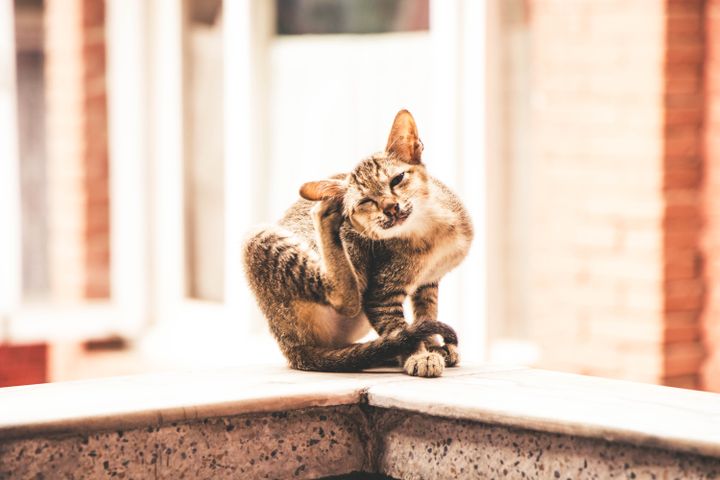
Watch for head shaking, scratching at the ears, a smell, redness or dark discharge, or pain when an ear is touched.
Prevention: dry the outer ear gently after baths and rain. Do not put oil, vinegar or other home remedies into an inflamed ear; they can make it worse. See a vet, because the right drops depend on the cause.
Skin infections
A coat that stays damp for hours gives bacteria and yeast on the skin a chance to multiply, especially in skin folds and between the toes.
Watch for itching, red patches, hair loss, a musty smell or constant licking of the paws.
Prevention: towel your dog dry after every walk, including between the toes, and brush regularly so that air reaches the skin.
Stomach upsets
Contaminated water, food left out in the damp and scavenging on walks all cause vomiting and diarrhoea in the rains. Puppies and older dogs become dehydrated fastest.
Prevention: fresh drinking water at all times, food bowls washed and dried, and leftovers thrown away. When vomiting needs a vet.
A monsoon checklist
- Dry your dog after every walk, paws and ears included
- Tick and flea prevention, without gaps
- Vaccines up to date, including leptospirosis
- Deworming on schedule
- Clean water only: no puddles or floodwater
- Dry, clean bedding
Dogs hide discomfort well. A fever, weakness, vomiting, constant scratching or a day off food all deserve a call to a vet.
Sources
- Bhattacharjee and Sarmah (2013), Veterinary World: Prevalence of haemoparasites in pet, working and stray dogs of Assam and North-East India
- World Health Organization: Leptospirosis
- WSAVA: 2024 Guidelines for the Vaccination of Dogs and Cats
- Merck Veterinary Manual: Ear infections and otitis externa in dogs
General information, not a diagnosis. If your pet seems unwell, contact a vet.