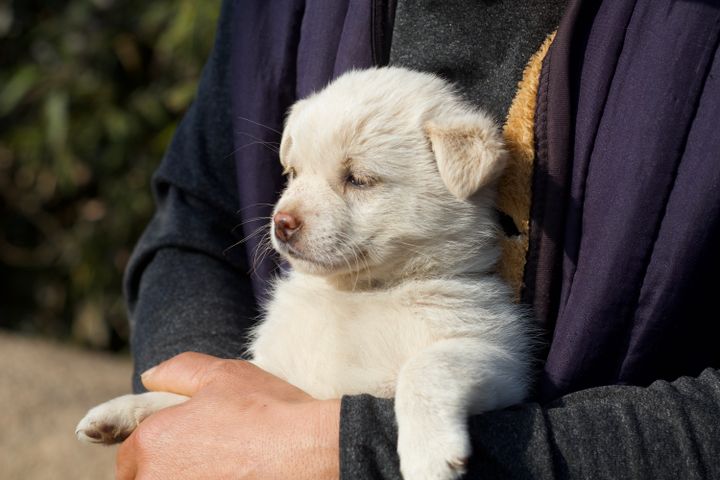
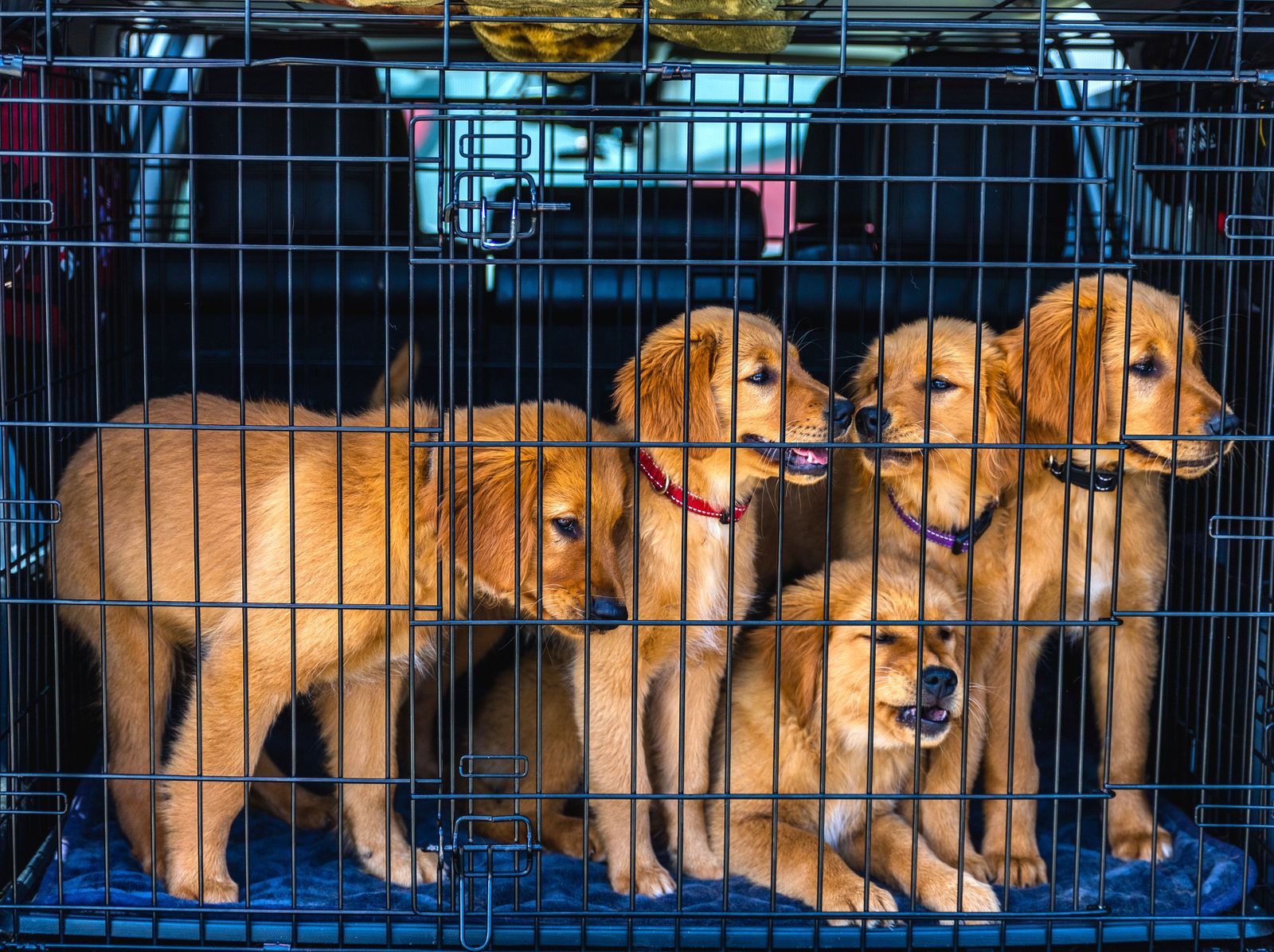
The photos are hard to resist: a tiny face, big eyes and a "pure breed" at a low price in a WhatsApp group or on a classifieds site. Many of these puppies come from puppy mills, and the real cost often shows up a week later at the vet.
What a puppy mill is
A puppy mill breeds dogs as stock. Mothers are bred litter after litter, often in cramped, dirty cages. Puppies are taken from them too early and sold before anyone has checked their health. Vaccination and deworming are skipped, or written on a card without being done.
The result is puppies that may already be carrying parvovirus, distemper or a tick-borne infection, or have inherited problems that show only later.
What the law says
India regulates dog breeding under the Prevention of Cruelty to Animals (Dog Breeding and Marketing) Rules, 2017. A breeder must hold a certificate of registration from the State Animal Welfare Board, issued after an inspection and renewed every two years, and puppies may not be sold before they are eight weeks old. A seller who cannot show you a registration certificate is not following the law.
Warning signs
- The seller asks you nothing. A responsible breeder wants to know about your home and family. A seller interested only in payment is selling stock.
- You cannot see the mother or where the puppies live. Excuses about visiting, or an offer to meet on the roadside, should end the conversation.
- Several breeds are "available now". One seller offering Huskies, Pugs, Labradors and German Shepherds at the same time is a dealer, not a breeder.
- The puppy is younger than eight weeks. That is too young to leave its mother, and illegal to sell.
- The price is far below everyone else's. Proper care, vaccines and vet checks cost money. A very low price usually means they were skipped.
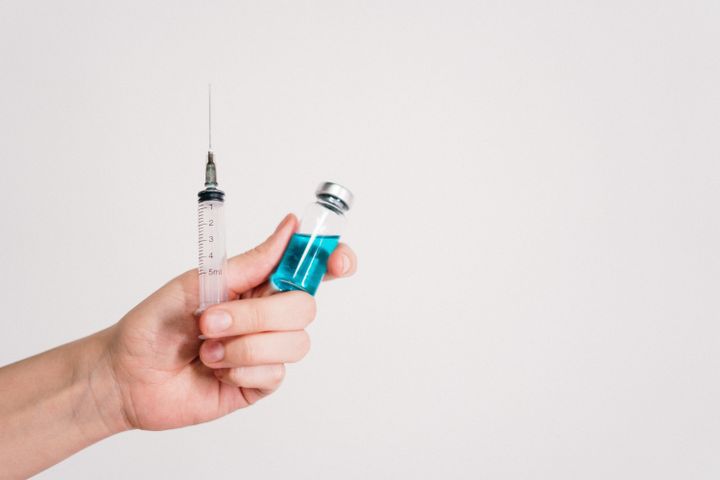
- The paperwork does not add up. A vaccination card can be filled in without a vaccine ever being given. Look for the peel-off sticker from each vaccine vial, the vet's name and registration, and dates that fit the puppy's age.
- You are pushed to pay a deposit online before seeing the puppy. This is how many online puppy scams work.
A sick puppy can look healthy on the day
A bath and a short meeting hide a lot. Parvovirus and distemper take several days to show after a puppy is infected, so a puppy that played happily when you met it can be seriously ill a week later. That is why a vet check in the first two or three days at home matters, before it has close contact with other pets.
Think hard about fashionable breeds
Some popular breeds struggle in Assam's climate. A study of over 900,000 dogs under veterinary care in the UK found that flat-faced (brachycephalic) dogs, and breeds such as the Chow Chow, Bulldog and French Bulldog, were at higher risk of heatstroke. Thick-coated breeds such as Huskies and Saint Bernards suffer in humid heat. "Teacup" dogs are bred so small that their bones and organs pay for it. Before choosing a breed for its looks, read which dogs cope well in Assam.
Adoption is often the better choice
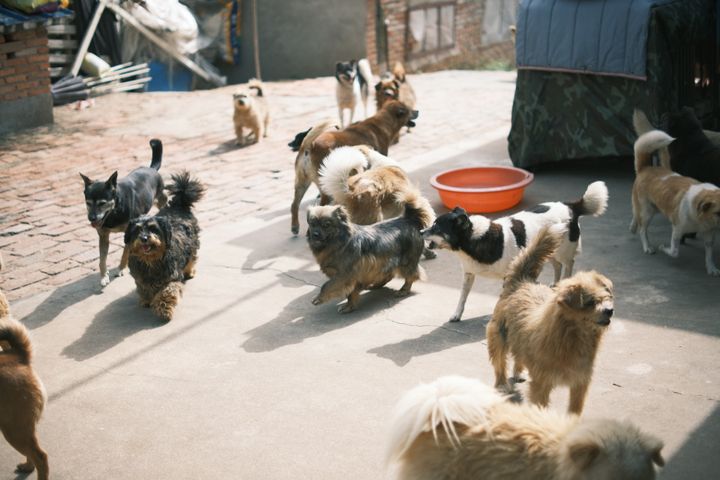
Shelters and rescue groups have dogs and puppies waiting for homes, many of them already vaccinated and sterilised. Indian dogs, the Indies, have lived in this climate for generations, and are hardy, intelligent and affectionate. Adopting also puts no money into puppy mills.
If you have decided on a breed
Choose a breeder who:
- shows you a registration certificate from the State Animal Welfare Board
- lets you visit, meet the mother and see where the puppies are raised
- keeps puppies with their mother until at least eight weeks
- gives you vaccination and deworming records your own vet can check
- asks about you, and will take the dog back if things do not work out
A puppy is a commitment of ten to fifteen years. A few extra days spent choosing well protects you both.
Sources
General information, not a diagnosis. If your pet seems unwell, contact a vet.