The first days in a new home shape how a puppy feels about the world. It has just left its mother, its littermates and every smell it knew. What it needs from you is simple: quiet, a routine, the right food and a vet who sees it early.
Set up one calm space before the puppy arrives
Choose a single quiet room and prepare it in advance: a bed, a water bowl, a few toys and a crate or covered corner the puppy can retreat to. A whole house is too much to take in on the first day. Let the puppy explore that one room, and widen its world over the following days.
Keep the welcome low-key. Friends who want to meet the puppy can wait until the end of the first week.
Keep the same food for now
Feed whatever the breeder or shelter was feeding, at the same times. If you want to change food, do it over five to seven days, mixing a little more of the new food into the old each day. A sudden switch is one of the commonest reasons for a new puppy's upset stomach.
Keep human food out of reach. Chocolate, grapes and raisins, onions and garlic, and anything sweetened with xylitol are toxic to dogs, and they are among the poisonings the ASPCA sees most often. Cooked bones splinter, and spicy or oily leftovers upset a young gut. Fresh water should always be within reach.
See a vet in the first few days
Book a check-up within the first two or three days, even if the puppy looks healthy. The vet will examine it from nose to tail, weigh it, look for parasites, confirm which vaccines and deworming it has really had, and plan what comes next. A puppy can be incubating an infection picked up before it reached you, so this first visit matters.
Bring whatever paperwork came with the puppy, including the vaccination card with the sticker from each vaccine vial.
Vaccines and deworming
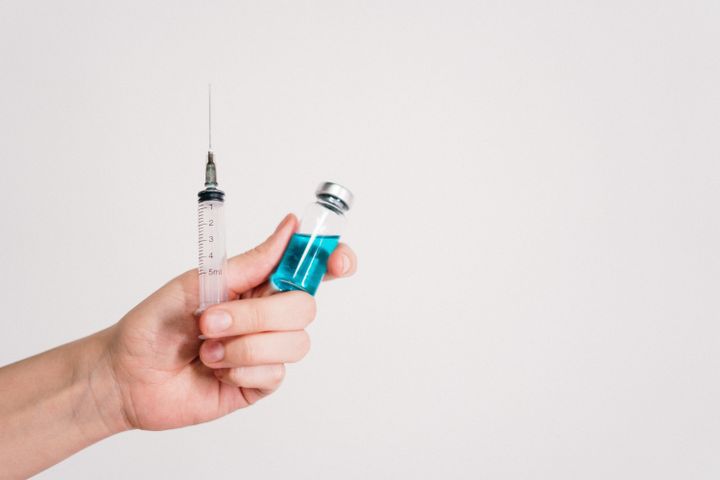
Puppies are vaccinated as a series because antibodies from their mother's milk can stop a vaccine from working, and no one can tell exactly when those antibodies fade. Vetsy's vets follow the World Small Animal Veterinary Association's 2024 guidelines: a combined vaccine at about 8, 12 and 16 weeks, a booster at 26 weeks, and rabies at 12 and 16 weeks. The full schedule is here.
Worms pass from mother to puppy, so deworming starts early. ESCCAP, the European parasite specialists' group, recommends deworming puppies every two weeks until two weeks after weaning, then monthly until six months of age. Your vet will choose the product and the dose by weight.
Socialise safely, starting now
Many owners are told to keep a puppy indoors until every vaccine is done. Veterinary behaviourists disagree. The American Veterinary Society of Animal Behavior points out that the first three months are the main window in which a puppy learns that people, sounds and places are safe, and that more dogs under three years old die because of behaviour problems than because of infectious disease.
The answer is to socialise carefully, not to stop:
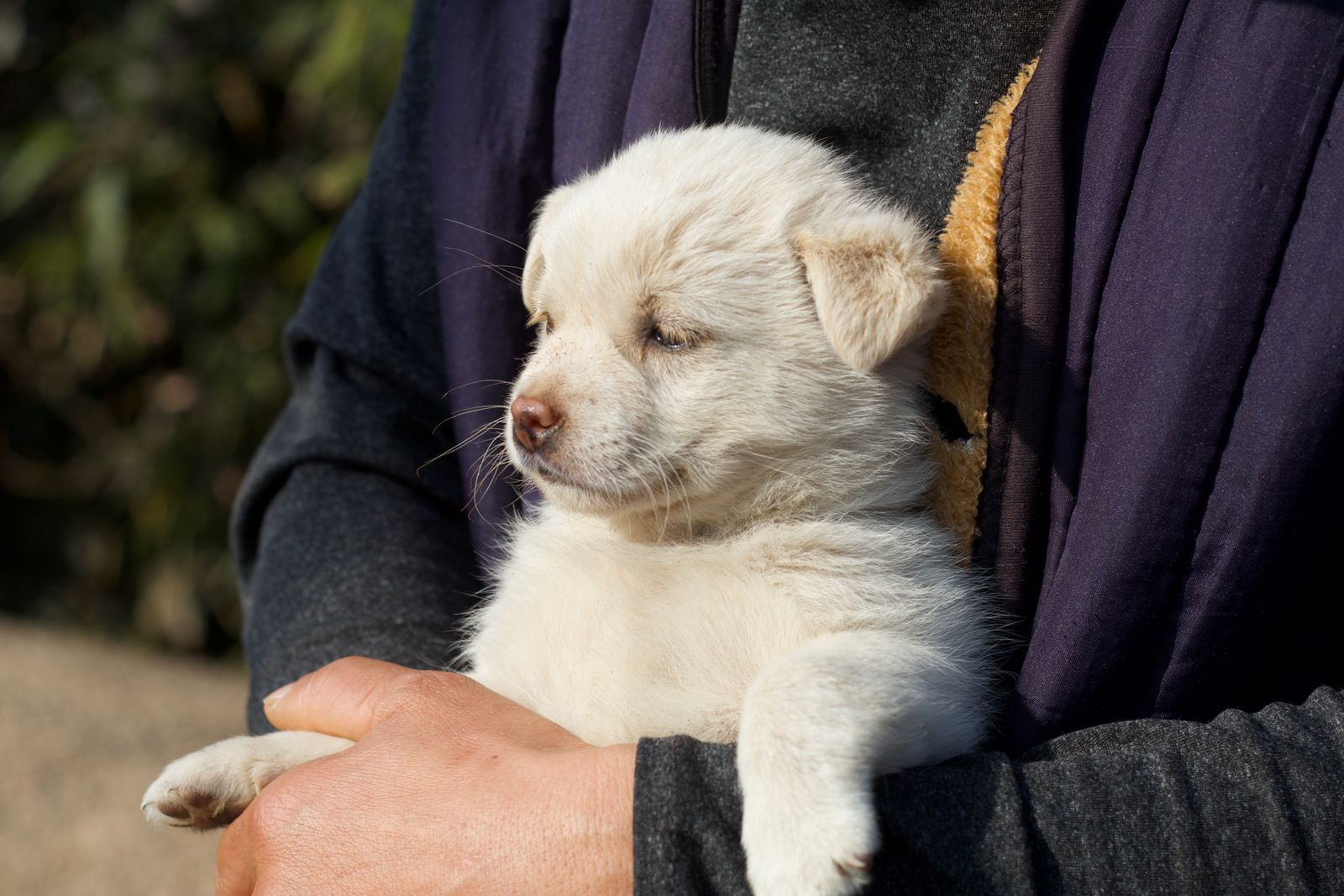
- Carry the puppy outside to see traffic, people and other animals from your arms.
- Let it meet calm adult dogs that you know are healthy and vaccinated, at home or in a clean private space.
- Invite a few gentle visitors once it has settled, and let the puppy go to them.
- Keep it off ground where unknown dogs toilet, such as parks, roadsides and pet shop floors, until its vaccines are complete.
What the first week really looks like
Crying at night, eating little on the first day and hiding under furniture are all normal. Keep a simple routine for meals, sleep and toilet breaks. Take the puppy out to toilet after it wakes, after it eats and after play, and praise it when it goes in the right place. Accidents will happen; clean them up without scolding. Punishment teaches a puppy to fear you, not where to toilet.
Puppy-proof the floor. Wires, small objects, medicines, cleaning products and toxic plants are all within reach of a curious mouth.
Call a vet straight away if
- the puppy vomits more than once, or has diarrhoea, especially with blood
- it misses more than one meal, or is unusually quiet and weak
- it coughs, has discharge from the eyes or nose, or struggles to breathe
Young puppies have few reserves and can become dehydrated within hours. These can also be the first signs of parvovirus or distemper.
Sources
General information, not a diagnosis. If your pet seems unwell, contact a vet.